Medical Grade Peels
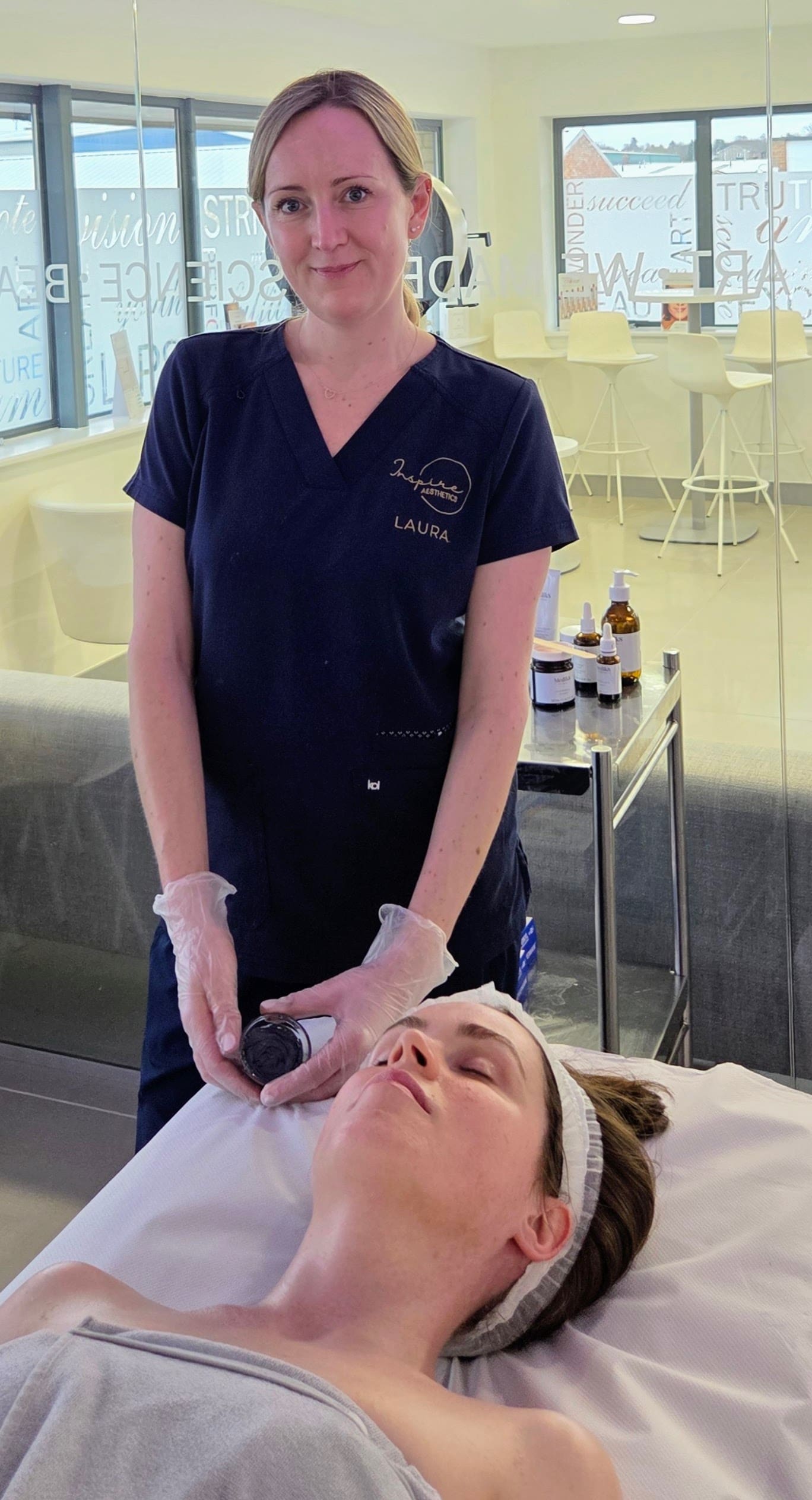
Medical Grade Peels Launching Soon
A chemical peel is a medical-grade facial treatment that utilises carefully selected acids to exfoliate dead or damaged skin cells, renew the outer layer of the skin, and promote the growth of healthy new cells.
Skin naturally regenerates approximately every 28 days in younger individuals and up to 60 days in more mature skin. By accelerating this process, chemical peels can help reduce the appearance of pigmentation, blemishes, and congestion, while enhancing overall skin radiance. Additional benefits include improved hydration and increased collagen production, which can reduce the appearance of fine lines and wrinkles.
Who are chemical peels suited to?
Chemical peels are ideal for individuals seeking treatment for blemish-prone skin, hyperpigmentation, fine lines, irregular skin tone and texture, or a dull complexion.
Which acids are used in peels and where do they come from?
Peels typically contain alpha hydroxy acids (AHAs), beta hydroxy acids (BHAs), and polyhydroxy acids (PHAs), and are available in varying strengths: superficial, medium, and deep.
AHAs work on the skin’s surface to gently exfoliate, smooth texture, and brighten the complexion. They can also help minimise pigmentation and stimulate collagen and elastin production. Many AHAs are derived from natural sources and are often referred to as “fruit acids.” For example, glycolic acid is derived from sugar cane, lactic acid from sour milk, and mandelic acid from bitter almonds and wild cherries.
BHAs penetrate deeper into the pores to dissolve excess sebum and debris build up, loosening congestion and blackheads. They are particularly effective for blemish prone skin due to their antibacterial properties, and they help promote a clearer, more even skin tone. Salicylic acid is the most commonly used BHA and can be derived from both synthetic and botanical sources.
PHAs have larger molecular structures, therefore absorb into the skin more slowly. This makes them ideal for sensitive skin types, providing gentle exfoliation while also retaining moisture to hydrate the skin. Gluconolactone, for example, is derived from glucose and offers both exfoliating and hydrating benefits.
Are chemical peels safe?
Chemical peels are safe when performed by a trained professional who follows appropriate treatment protocols, including correct strength and application time. Prior to treatment, a thorough consultation should be carried out to assess your skin condition, review your current skincare routine, and evaluate your medical history.
For those new to chemical peels, a gentle formulation is recommended initially, with gradual progression to more active treatments as your skin builds tolerance.
At Inspire Aesthetics, we offer superficial peels, which work within the epidermal layer of the skin to deliver results without significant inflammation and downtime.
Contraindications may include active skin infections, recent use of isotretinoin, pregnancy, or a history of keloid scarring.
What results can you expect?
Following a peel, it is normal to experience some sensitivity, dryness, or mild flaking for up to a week. For this reason, it is advisable to allow at least two weeks between a peel and any important social events.
Your clinic should provide an aftercare regimen to soothe, hydrate, and protect your skin. Following a peel your skin should feel more clear, smooth, hydrated, and radiant.
At Inspire Aesthetics, we typically recommend a course of six treatments, spaced approximately four weeks apart, to achieve noticeable improvements in specific skin concerns. Maintenance treatments may then be advised to prolong results, depending on your individual needs and goals.